
Yoga To Combat Depression
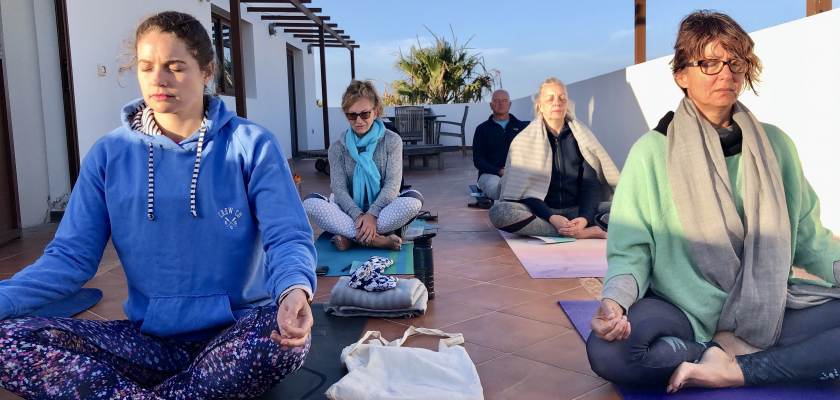
Depression can take many forms. From panic attacks and prolonged periods of anxiety to feeling low and hopeless, it tends to affect different people in different ways. Depression can produce feelings of being isolated and alone and yet large numbers of people struggle with it, in the UK and all over the world. Statistics indicate that it’s a growing problem too, which means that finding tools to cope is incredibly important. Yoga offers a way to tackle both the physical and emotional symptoms and impact of depression – all you have to do is start.
Why does it work?
Many of the symptoms of anxiety driven depression are physical – for example, anxiety can trigger the release of the stress hormones cortisol and adrenaline. A yoga session can help to induce a relaxation response, bringing your mind back into a calmer place and helping you to sit with challenging feelings, as opposed to trying to escape them. The poses that support us during periods of anxiety or depression are not always those that are calming – for example, if you’re experiencing a lot of nervous energy, it might be the fiery postures, such as Sun Salutations or the Warrior Sequence, that can help to bring a sense of calm.
Yoga postures for depression
- Downward Dog variation. From a tabletop position, move your hands slightly forward and place several folded blankets in line with your breastbone. Turn your toes under and push back into Downward Dog, hips high and arms straight. Rest your head on the folded blankets and hold for 30 seconds to help ease anxiety and energise the body.
- Seated Forward Bend to Plow. This short sequence can be a powerful way to help shift feelings of sadness and low energy and to reset body and mind. Sit with your legs stretched out in front of you. Inhale and stretch up through sternum and head and then extend forwards over your legs. As you come out of the forward bend roll back into Plow pose so that your feet are behind your head, your hands touching your toes. Go back and forth between the two poses 10 to 15 times.
- Wide-Angle Standing Forward Bend. Upside down postures can be very calming if you have frayed nerves or feel anxious. Step your feet wide – much wider than your hips – and then fold forward from the hips and place your hands on the floor. Bring one or two folded blankets and rest the crown of your head on them. Stay there and breathe for up to 10 seconds.
- Child’s Pose. This simple pose should not be underestimated in terms of its calming impact and the benefits it has for stretching out the spine. Sit with your knees apart and toes touching, fold forward and stretch your arms out in front of you. Breathe.
Self-awareness and acceptance
Going through a series of yoga postures can help to quieten a busy mind and bring your awareness into the present. Yoga also teaches improved self-awareness and being able to focus on your breath, as opposed to your thoughts. It’s a key tool for accepting thoughts and feelings as they arise and allowing them to pass, as opposed to fighting to remove or change them.
Yoga is not a miracle solution for depression but it can provide just enough space in an anxious or depressed mind for a little light to get in.


hey there!
.jpg)
We would like our blog to be a place where you learn new things in the world of yoga, when it comes to business of yoga, asanas, philosophy and pranayama.


.jpg)
