What are the 8 Limbs of Yoga?

When you go to a yoga class, you'll quite often here about how yoga isn't something we just practice on the mat ..but what does that mean?
Yoga off the mat
The saying 'yoga off the mat' stems from the 8 Limbs of Yoga, but before we look into the 8 Limbs we should probably explain where they come from. The 8 Limbs were complied by Pantanjali who was a sage (a person who has attained wisdom), and they came from his Yoga Sutras.
The Yoga Sutras of Pantanjali were compiled in the early centuries CE by Pantanjali who was said to have organised all of the knowledge about yoga within them from much older traditions and studies.
There are over 100 sutras but the most well known and referred to is the 8 Limbs - they are essentially ways in which you can lead a both disciplined and purposeful life according to yogas traditions.
The reason therefore that you will hear about 'yoga off the mat' is because out of all of the 8 Limbs, only 1 is asana (postures).
Pantanjali's 8 Limbs of Yoga
Yama (restraints), Niyama (observances), Asana (Posture), Pranayama (Breath control), Pratyahara (Withdrawal of the senses), Dharana (Concentration), Dhyana (Meditation) and Samadhi (Pure contemplation).

Yama - Restraints
The are 5 Yamas - Restraints that Pantanjali talks about:
Ashimsa (non-violence)
Non-violence to all living beings - this relates to both words and thoughts, towards others and yourself.
Satya (truthfulness)
Being truthful in all sense of the word, and again towards others and yourself.
Asteya (non-stealing)
Non-stealing in terms of property, but also things like not stealing time from people, or not considering self care and stealing love from yourself.
Brahmacharya (celibacy or fidelity)
This has a slightly different meaning that what we consider celibacy as, it is described as when a person completely controls their body and mind. It was considered necessary for a monks spiritual practice.
Aparigraha (non-possessiveness)
Keeping the desire for possessions to only what is necessary, which can be hard in what is quite a materialistic world.
Niyama - Observances
The are also 5 Niyamas - Observances that Pantanjali talks about:
Saucha (purity)
Purity of mind body and soul.
Santosha (contentment)
Contentment, satisfaction, acceptance of yourself and others.
Tapas (persistance)
Tapas is a series of spiriiual meditation practices which take persistance due to the solitude. It is also part of monastic practices that are said to lead the practitioner to Moksha (liberation.)
Svadhyaya (self study)
This one is pretty much as it reads, the practice of self-study and continued exploration and introspection.
Īśvarapraṇidhāna (true self)
This has a few definitions depending on where you look, committing what you do to a Lord/special person is one, but also acceptance.
Asana - Posture
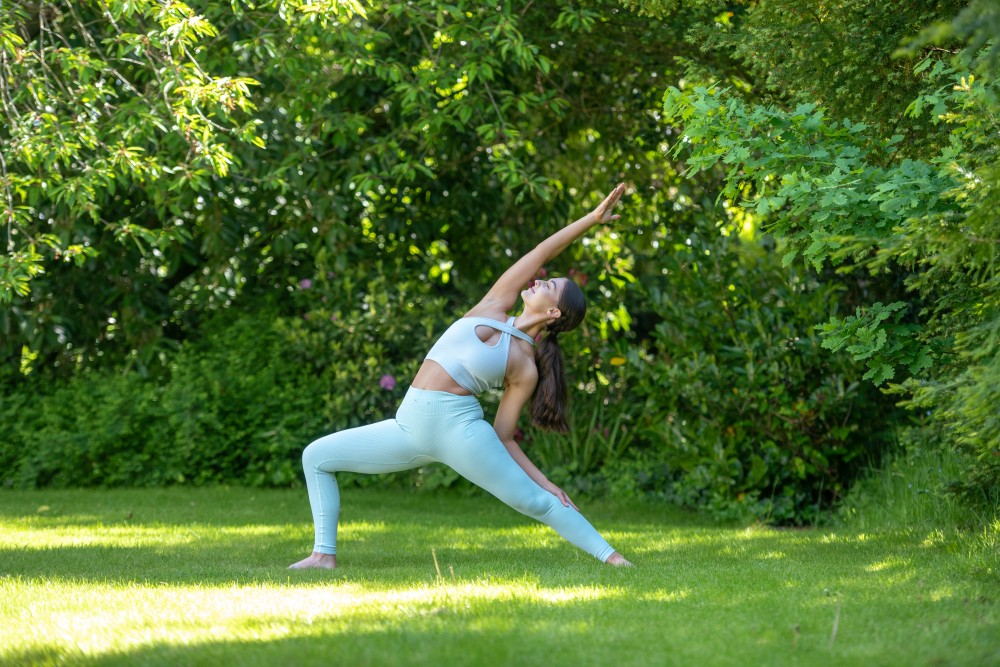
The most well known of the 8 Limbs is Asana. This is the physical part of the yoga practice. There is said to be 84 postures, but over time different variations have been created.
Pranayama - Breath control
Perhaps something else ore familiar that some of the others is Pranayama, or breath control. The word itself is translated as life force and it is the foundation of a physical practice and you life off the mat. The breath can make a difference in most situations, and having the ability to find control with it can be incredibly benefical.
Pratyahara - Withdrawal of the senses
This doesn't mean closing your eyes and holding your breath, it's more about mentally withdrawing and placing the awareness just on yourself rather than external factors.
Dharana - Concentration
To hold and maintain, to keep the awareness where it need to be.
Dhyana - Meditation
A time to reflect. Not stilling the mind completely because this is not mediation, but stilling the fluctuations to find introspection.
Samadhi - Pure contemplation
The point at which the practitioner loses awareness of being in meditation.
The history of yoga
There is much more noted in the ancient texts that support the history and philosophy that is the root of a true yoga practice, but it is important to remember when reading these scriptures of just how long ago they were written, and whom they were written for.
For many of us, living by all of the 8 Limbs would not be possible in the world we live in, and please know if you're reading this, that it's ok. If you're a teacher and only teach asana, that is also ok - yoga is deep, and not everyone wants to take that dive down to the depths of all that it is and can be, but just know if you want more than just asana, there is a lot more behind this ancient practice.
Want to know more?
If you'd like to learn more about history and philosophy, there is a whole module on this on our 200hr Yoga Teacher Training, and more advanced modules on our 300hr Yoga Teacher Training and 500hr Yoga Teacher Training. You can download our syllabus for all of these courses on our website, and if you have any further questions please send us an email to info@yogacourse.com.


hey there!
.jpg)
We would like our blog to be a place where you learn new things in the world of yoga, when it comes to business of yoga, asanas, philosophy and pranayama.


.jpg)
