What are Mudras?
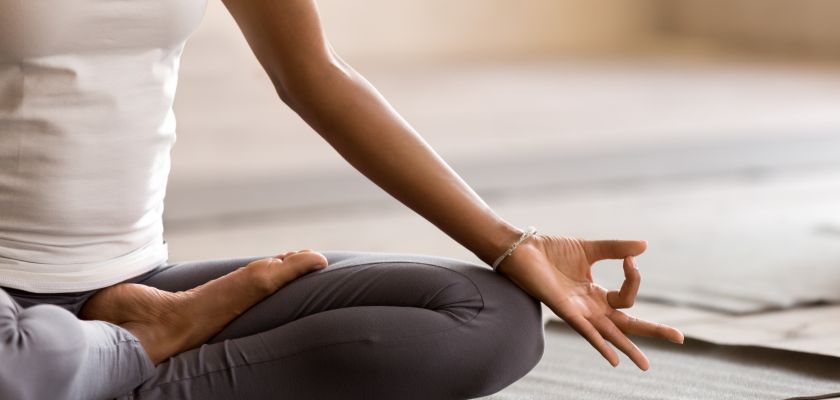
The word Mudra means ‘seal’, ‘gesture’ or ‘lock’ and they are used to stimulate different parts of the body and to affect the flow of energy. They are generally performed with the hands, and act as a way to guide energy.
They are used a lot within yoga and extensively throughout meditation and also traditional Indian dance. Generally within yoga when a mudra is performed it’s in conjunction with pranayama (yogic breath work), and are usually done whilst seated to aid with meditation before a physical asana practice.
Mudras can help to link the brain to the body, soothe pain, stimulate endorphins, change the mood and increase vitality. They have been an integral part of Hindu and Buddhist rituals for many years.
They are essentially spiritual gestures, mostly performed with the hands and fingers often in combination with movements of the wrists, elbows, and shoulders, however some can involve the entire body.
When performing a mudra it is important to have enough pressure to feel the flow of energy but not enough to whiten your fingertips. To use a mudra effectively, keep it for at least a couple of minutes, however it is more effective to do them for 15 minutes or so.
Each finger and thumb relates to an element. So mudras that focus on different thumb and finger combinations will have a set of different elemental and emotion benefits to the practitioner.
Little finger : Water
Third finger: Earth
Middle finger : Ether
Index finger : Air
Thumb : Fire
So now you know what they are, here’s some to try…
Anjali Mudra
This mudra improves the overall calmness of the body. It connects both right and left hemispheres. It also improves concentration and relieves stress.
How:
Spread the fingers wide, bring the palms of the hands together in a prayer position and place the thumbs in front of the sternum. This can be done, seated, standing or within some physical asanas.
Dhyana Mudra
This mudra helps to bring together all five elements as all fingers interact in this mudra. It unites both the left and right hemispheres of the body resulting in internal calmness. It can help aid concentration and also soothes anger.
How:
From a seated position bring the left hand to rest into your lap with the palm facing up, then place the right hand on top of the left with the right palm also facing up, creating a dish shape, rest them in your lap together and gently bring the tips both the thumbs to meet.
Gyan Mudra
This Mudra helps to ease tension and any feelings of depression. It relates to expansion and knowledge. It is extremely calming and used often in meditation.
How:
Bring the tip of the thumb together with the tip of the index finger, keeping your other fingers straight but relaxed. If performed whilst in a seated position you can also rest the back of the hand onto the knee. You can perform this mudra with the other hand at the same time.
Want to know more?
If you’d like to know more about mudras or yoga in general please take a look over the syllabus’ for training within the courses section of our website.


hey there!

We would like our blog to be a place where you learn new things in the world of yoga, when it comes to business of yoga, asanas, philosophy and pranayama.


