
How to teach a yoga class 101

101 of teaching yoga
Once you've qualified as a yoga teacher and you teach your first class you realise that people learn very differently. As a teacher it’s really important to have some variations to how you teach and guide students. For example offering limited cues but demonstrating the whole class will really help your visual learners, but for you auditory learners this won't be as helpful. You have to therefore be able to find the balance in the way you teach.
There will also be contraindications to consider for particular students, so there will be modifications in terms of alignment or props you might need to offer, or a complete change of posture .
It’s also really important that we remember we are yoga TEACHERS and that we’re there to teach yoga, not just a physical movement, but a physical movement that has a benefit and intention - educate your students.
How do I physically prepare my yoga students for class?
Prepping our students for postures is important, when we’re planning a class having a focus or peak pose, we want to know that when we get there our students are ready physically and sometimes mentally for the question you're asking. As an example, if you were working to something like Locust Pose, you need to ensure students backs, chest and abdomen areas have been suitably warmed throughout the class to physically prepare them. If you were including a standing balance, it might be beneficial to have a lower level balance earlier in the class to mentally prepare them for that bigger balance question later on (still considering physical areas too).
Similarly; once we’ve explored something like Locust for example, where we’re taking the spine in an unnatural direction, we should first take a moment to neutralise the spine (for Locust something like Crcodile Pose works well) and then if that is the end of the heart opening elements, we should then counter the movement by taking the spine back the other way for a moment (for Locust something like Childs Pose sequences well).

How do I manage difficult situations in the yoga classroom?
It's important to know before you begin to teach that there will be occasions where you have to deal with a difficult situation. This can range from someone forgetting their yoga mat, to someone falling over or people talking loudly. Believe me when I say all of these things have happened to me on more than one occasion.
Simply forgetting their mat is usually easily resolved. If you're teaching in a studio there will be probably be some spare, if you're teaching your own class maybe you take a few with you, or if not you lend them your own. Be prepared for people to have forgotten things.
Someone falling, or hurting themselves can happen, we don't want to disrupt the rest of the class, so where possible it's about remaining calm, not drawing too much attention, as you don't want to embarrass your student either and make a decision of what to do next based on the injury.
Do they need to sit for a moment, do they want to rejoin?
Do they need to leave the room - finish the class at this point or re-join?
Do they need medical assistance in the form of an ambulance?
These are all questions you need to ask yourself but also the student. Ultimately if you believe they have hurt or injured themselves to a degree which means leaving alone or driving could be a risk to them, you should strongly be recommending an ambulance is called so a medical professional can make that final decision.
People being disruptive in class can be tricky. You of course want them to enjoy their experience, but you also need to consider others that are focussed on remaining focussed. So initially a note to the room to keep the attention on themselves and their own practice, reminding them that the focus should be on just their breath. If this doesn't work then a quiet and polite request not to talk during class usually works. Setting this up at the start can also help, by asking them to move mindfully in their practice but also if they need a toilet or water break - leaving and moving as quietly as possible so as not to disturb others practice. You have to manage the room for the benefit of everyone in the room.
How do I teach yoga to people with injuries?
If you're teaching an open class you will undoubtably be faced with students who have injuries or illness'. Nine times out of ten these individuals know how to deal with this themselves, and it's important to remember you're not a medical professional you won't know what everything is and what that means for the student, so don't be afraid to ask what that means for them - you need to understand so you can teach them.
Having someone with an injury or illness doesn't mean the plan you've worked tirelessly on has to go out of the window, it just means you may have to adapt elements - maybe you choose to do this for the whole class, or maybe you offer options, variations and let the student decide what works for them, but communicate that prior to the class starting and again during the class, particularly for new students.
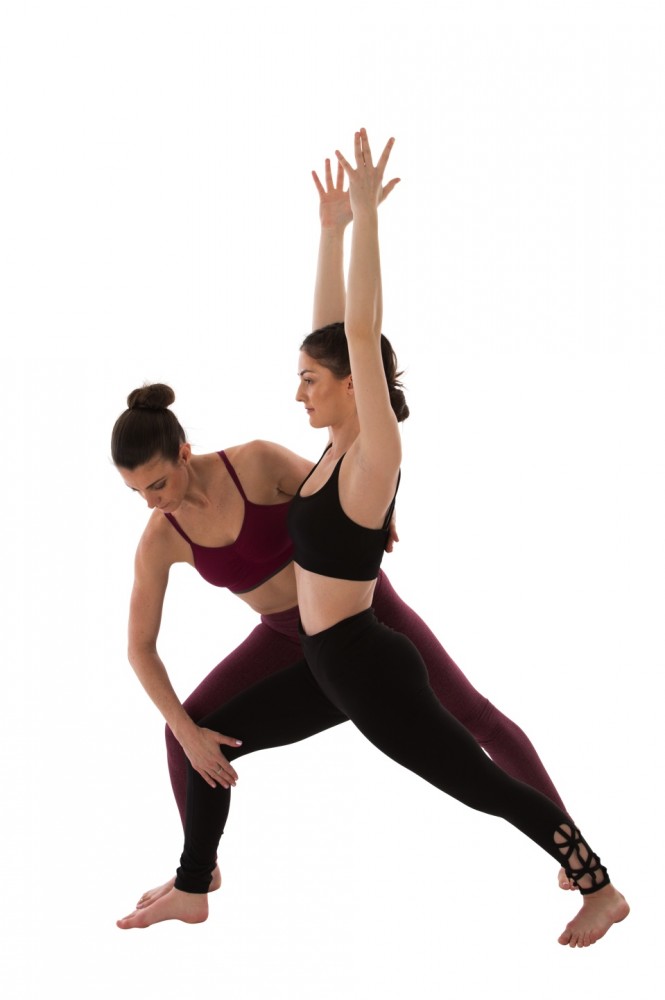
You may offer them props, or suggest some assisting for certain poses - again communication is key here in terms of explaining how to use the prop, or asking permission to put hands on. Let them know if they're not comfortable with you physically adjusting them it is absolutely OK!
Want to know more?
If you’re interested in learning more about things featured in this blog, you may just be interested in our yoga teacher training courses.
We have 200hr Yoga Teacher Training, 300hr Yoga Teacher Training and the combined 500hr Yoga Teacher Training available. You can download the syllabus for all of these courses via the website.


hey there!
.jpg)
We would like our blog to be a place where you learn new things in the world of yoga, when it comes to business of yoga, asanas, philosophy and pranayama.


.jpg)
