
How to create a healthy gut!

Studies have shown that each year one in four of us will have some sort of mental health problem. For most of us thankfully they may only last for a few weeks or so but others may suffer for a lot longer. Although there are obviously lots of treatment options and if you are struggling we always suggest speaking with family and friends first and your GP ..some research suggests that making some simple lifestyle and dietary changes can improve your mood and overall feelings of wellbeing.
Did you know that from your mouth all the way down to your colon contains the second largest network of nerves after your brain ..and there is a pathway that links your gut to your brain so they can constantly speak to each other, and this can massively influence your mood. Studies suggest that they’re linked by our immune and nervous systems ..for example, think about those times you’ve felt nervous and had butterflies in your tummy.
How can I combat constipation?
One of the biggest things that become noticeable in having poor gut health is our poo ..or sometimes the lack of it! So how do we become constipated? ..well the NHS website describes it as:
“not eating enough fibre – such as fruit, vegetables and cereals. Not drinking enough fluids. Not moving enough and spending long periods sitting or lying in bed. Being less active and not exercising.’
How can I improve my gut health?
Hydration! Water, tea/coffee or smoothies will all hydrate you - about 2 litres a day is good.
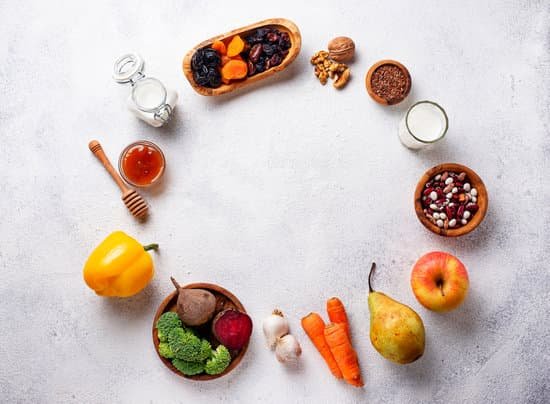
Eat your veggies and fruit ..5 a day is about right!
Don’t cut out fats, they’re not all bad! Oily fish, nuts and seeds are all really good for you.
Avoid refined sugar, included in things like cakes and alcohol ..of course in small amounts these can have a huge impact on your mental health, so don’t feel you need to cut these out completely!
What foods can I eat for a healthy gut?
Yoghurt - Live yoghurt is a great source of friendly bacteria. Try and get the sugar-free but full-fat options.
Miso -Miso is made from fermented soya beans, plus usually barley or rice, and has a variety of goodness in it such as helpful bacteria and enzymes.
Kimchi - This is a Korean speciality of fermented vegetables and brings the benefits of probiotic bacteria along with vitamins and fibre. It believed to be so popular that Koreans actually say “kimchi” in the same way that we say “cheese” when they have their photos taken.
Almonds - Almonds have really good probiotic properties, which means your gut bacteria will love them – high in fibre, and full of fatty acids and polyphenols. A handful of almonds makes an excellent snack when you’re feeling peckish.
Bananas - This fruit is full of the kind of fibre that good bacteria enjoy and they also contain healthy minerals.
Garlic - Garlic has both antibacterial and anti-fungal properties. Garlic acts as a source to allow bacteria to do its job better which overall improves our gut function.
Ginger - Fresh ginger can help in the production of stomach acid and it stimulates the digestive system to keep food moving.
…fancy making something yourself for your gut health?
What can I drink for a healthy gut?
There are plenty of things you can simply buy off the shelf that are packed full of goodness for your gut, such as Kombucha, Buttermilk and Kefir. If you wanted to make something a little different here’s a couple you could try:
Jun Tea
(information below and recipe for Jun Tea taken from ( Nourished Kitchen )
Jun tea is a naturally effervescent fermented drink made with green tea and raw honey. It's related to kombucha and, like kombucha, you need a SCOBY (symbiotic culture of bacteria and yeast) to brew jun. Making jun tea is exceptionally simple. To make it you simply need to brew green tea, sweeten it, cool it to room temperature, add your SCOBY and wait. But, there's a few tips that can improve your brew and keep your SCOBY healthy.
Use a good quality loose-leaf green tea. Loose-leaf teas taste better than bagged tea. But, if you don't have loose-leaf tea, use 2 teabags.
Use raw honey. Jun needs raw honey, with the bacteria in the SCOBY working synergistically with the bacteria in the honey to culture properly. Pasteurised honey can cause jun to fail to culture properly and may damage the SCOBY over time.
Use an authentic Jun SCOBY that's adapted for green tea and honey for best results and flavor.
Cool your tea before adding the SCOBY. Make sure your tea is room temperature before adding your SCOBY, or you risk damaging the cultures.
Pay attention to temperature. Jun brews best at a cool, room temperature of about 65 - 70F.
Cover the jar loosely. Jun is an open-air ferment like kombucha. But, cover the jar with a cloth cap or with cheesecloth to keep bugs and debris away from your brew.
Store unused SCOBYs at room temperature.
Remember to reserve some for future batches. In addition to the SCOBY, you'll need about 4 ounces of finished jun to start your next brew.
Stir jun really well before bottling. The culture contains both beneficial bacteria and yeasts. Yeasts are heavier than bacteria and tend to sink to the bottom of your brew, so stir it well before bottling.
Recipe
Jun tea, like kombucha, is an effervescent probiotic drink. Jun is mild and delicate with a pleasantly tart flavour infused with the floral notes of honey. Serve it over ice, or with crushed berries stirred in.
Prep Time 5 mins
Cook Time 5 mins
Fermentation 3 days
Servings: 8 servings
Ingredients
8 cups water
2 teaspoons loose-leaf green tea
½ cup honey
1 Jun SCOBY
½ cup Jun tea from a previous batch
Equipment
Flip-top bottles
½ gallon jar
Cheesecloth
Instructions
Preparing the green tea and honey.
Bring water to 170 F in a kettle. While the water comes to temperature, sprinkle the looseleaf green tea into a large jar or pitcher. Pour the hot water over the tea, and then let it steep at least 3 and up to 5 minutes.
Strain the tea through a fine-mesh sieve into your jar, and then let it cool to room temperature (65-75 F).
Brewing jun tea.
Once the tea is cooled to room temperature and mixed with honey, add your SCOBY and ½ cup Jun tea from a previous batch. Cover the jar with cheesecloth or butter muslin, and let the jun culture 3 to 5 days, or until it smells pleasantly sour and faintly sweet.
Carefully remove the Jun SCOBY and set it on a plate. Stir the remaining jun tea, and reserve ½ cup tea for your next batch. Prepare a fresh batch of Jun right away, or store the SCOBY and reserved tea in a jar up at room temperature up to 1 week.
Secondary fermentation.
After reserving the SCOBY and ½ cup tea, stir the jun once more, and then pour it into 4 pint-sized flip-top bottles. Let them culture at room temperature 2 to 3 days, then enjoy immediately or transfer to the fridge where they'll keep up to 3 months.
Notes: Flavouring Jun Tea. If you wish to flavour your tea, mix in ½ cup fruit juice or herbs to your finished jun, then bottle and continue culturing in the bottle 2 to 3 days before transferring to the fridge.
Pineapple Ginger Tepache
(information and recipe for pineapple ginger tepache taken from Hello Glow )
Native to the pre-hispanic Mexico, tepache is a fermented beverage originally made from corn, but modernized by using pineapple peels, sugar and spices. The result is a delicious spiced sweet and tart taste, with a distinctive pineapple flavour.
Some brewers also add water kefir “tibicos’ to accelerate the fermentation process. The average brewing time is four days, which really makes it easy to make even for the beginner brewers.
Using pineapple for fermentation is a genius idea. I love pineapple not only for its sweet and tangy taste, but also for its anti-inflammatory and digestive healing properties, which pair perfectly with the aim of consuming fermented drinks.
Recipe
1. Rinse and peel the pineapple. Juice the pulp and add the liquid into a large glass jar, with the peels.
2. Mix warm water with Manuka honey.
3. Add the spices to the honey mixture and stir to combine.
4. Pour the spiced sweet mixture over the pineapple peels.
5. Cover the jar with a plate and let sit at room temperature for minimum 3 days.
6. Strain, refrigerate and drink!
Fermentation time: 3 days
Ingredients
1 large ripe pineapple
2 cinnamon sticks
2-3 cloves
1 1-inch ginger knob, peeled and grated
4 tablespoons Manuka honey
4 cups purified water
Instructions
Peel the pineapple and add the peels into a clean large glass jar.
Juice the pulp and pour over the peels.
Mix the warm water with honey and spices, and transfer into the jar. Stir to combine.
Cover the jar with a small plate and set on the counter at room temperature, for minimum 3 days.
Remove the foam, cover, and let ferment one more day.
Strain and chill in the refrigerator before serving.
Notes: The tepache drink traditionally calls for cane sugar to activate fermentation, but I replaced it with Manuka honey or an extra enzyme kick. Manuka honey also has healing properties for the digestive tract, so combining it with pineapple and ginger makes this the perfect drink to soothe upset bellies. If you don't have manuka honey, feel free to use regular honey.
Want to know more?
If you'd like to learn more about us and what we do, please visit the About Us section of our website, to view our online training you can visit the Courses section, and for any other questions please email info@yoagcourse.com


hey there!
.jpg)
We would like our blog to be a place where you learn new things in the world of yoga, when it comes to business of yoga, asanas, philosophy and pranayama.


.jpg)
