
Changing your career to be a Yoga Teacher?

If teaching yoga is something you’ve been considering for a while before you take the plunge, here are some things we think you should know. In terms of training, the 200hr yoga teacher training is a fairly standard foundation to start with, but there is 500hr yoga teacher training which is the highest level of teacher training you can do. The courses are designed to prepare the body and the mind for passing on the magic of yoga to others. They both combine knowledge of the poses, as well as some essential and advanced anatomy, how to prepare classes and other essential steps towards being ready to teach. At least that what’s we know is involved on paper – but what is the reality of a yoga teacher training course really like?
Yoga teacher training theory
The best yoga teachers have a deep understanding of the human body – and of yoga itself - which is why teacher training includes a significant amount of theory. You can expect to delve deep into yoga philosophy, looking at yoga sutras and chakras, as well as some intensive study of anatomy too. It's not sure postures on the mat.
Yoga teacher training practical
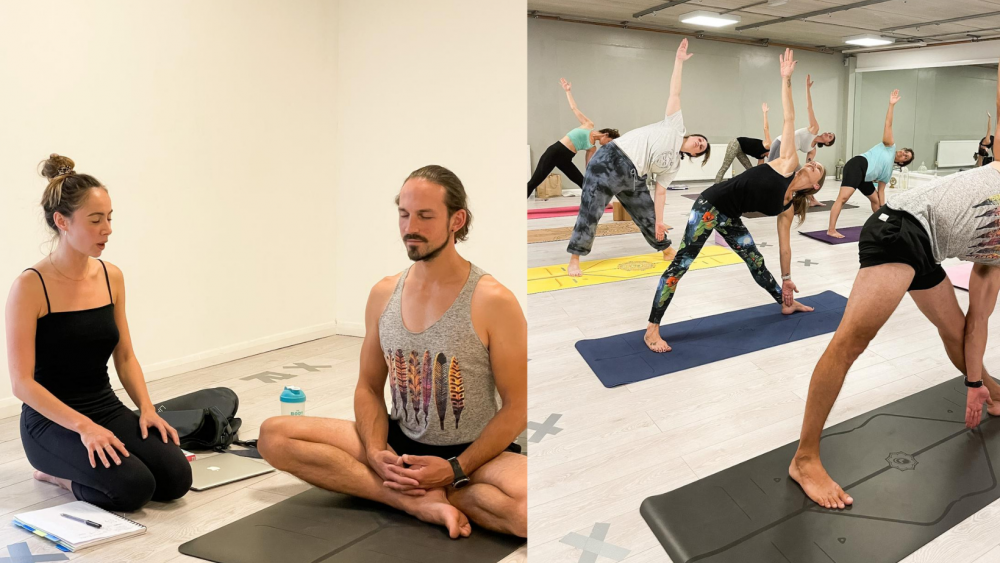
The type of training course that you choose will determine how much yoga you do on a daily basis during the course. If you opt for a short, intense course this could be two, or more, long sessions every day. More flexible courses, or those that you’re committing to over a longer period of time like outs offer, can offer more room for recovery in between each session. On any yoga teacher training course there will be an element of practising yoga and also breaking down each posture in detail in a teaching environment. Both will involve “doing yoga,” which can add up to a lot of time on the mat in total. For most people, the physical side of yoga teacher training can be a challenge at first. However, your body will adjust to the increase in physical activity so that it becomes enjoyable and invigorating, as well as an essential part of the training process.
Yoga Teacher Training - the emotional impact
The one aspect of yoga teacher training that many people don’t anticipate is often the emotional side of the process. Some days you may feel uplifted and that you’re making real progress. There may also be moments during the training when it becomes frustrating when you’re tired and emotions can run high. This is as much part of the “yoga” as the asanas themselves and learning how to process it and cope with it is an essential part of training to help others get the most from personal yoga practice.
After yoga teacher training
The structure of our yoga teacher training course is designed to give you all the tools that you need to start teaching at the end. From the postures to the anatomy and how to plan lessons and market yourself, you will understand what it takes to get set up as a teacher. Many people also find that the course lights a fire for teaching yoga, making them feel passionate about passing on knowledge and experience to others.
A 200hr yoga teacher training course can be a truly transformative experience, both personally and professionally. Yoga Course offer the worlds first online Yoga Teacher Training which leaves you with a professional accreditation. This means you will be a fully qualified yoga teacher, ready to go and start running classes.
You can be a fantastic yoga teacher at any age, no matter what you’ve done before – all you really need to start with is passion, creativity and a determination to succeed.
If you’re considering making a career change to become a yoga teacher, these are some of the essential steps to take.
Focus on your own practice first. It’s key to build up hours on the mat before you start the process of becoming a yoga teacher – practice at least three times a week to ensure that you have a firm foundation.
Target the studios you love. If you already know where you want to teach you’ll have a better chance of hitting the ground running once you’re qualified. You can also find out what their requirements are for teachers who want to work in that space. Or scope out local venues you may want to hire in the future.
Chat to local teachers, go to events and don’t be afraid to introduce yourself to people so they get to know you as someone from the yoga world.
What’s your “thing”? Steer clear of gimmicks but try to identify what your niche might be as a teacher. Perhaps you’re an injury specialist with a background in physiotherapy or maybe you can integrate dance or fantastic playlists into your classes. If there is something distinctive about the way that you teach, you’re much more likely to be successful.
Get yourself onto a teaching schedule in your own space or at a studio. Once you’re qualified, experienced and you know what your unique selling point is, it’s time to start.
Expand what you offer. This could be setting up your own studio, organising retreats or teaching private classes – the more you can expand your offering, the more your business will grow.
If you’re considering a career change to become a yoga teacher then this is an exciting time. These essential steps will help to take you from where you are now to be a teacher with a satisfying practice and a community of engaged students around you.
Want to know more?
If you want to know more about the training we offer, visit the courses section of our website to view all of the Online Yoga Teacher Training courses, or email info@yogacourse.com for further information.


hey there!
.jpg)
We would like our blog to be a place where you learn new things in the world of yoga, when it comes to business of yoga, asanas, philosophy and pranayama.


.jpg)
